

What Should You Look for When Touring Homes in Florida?
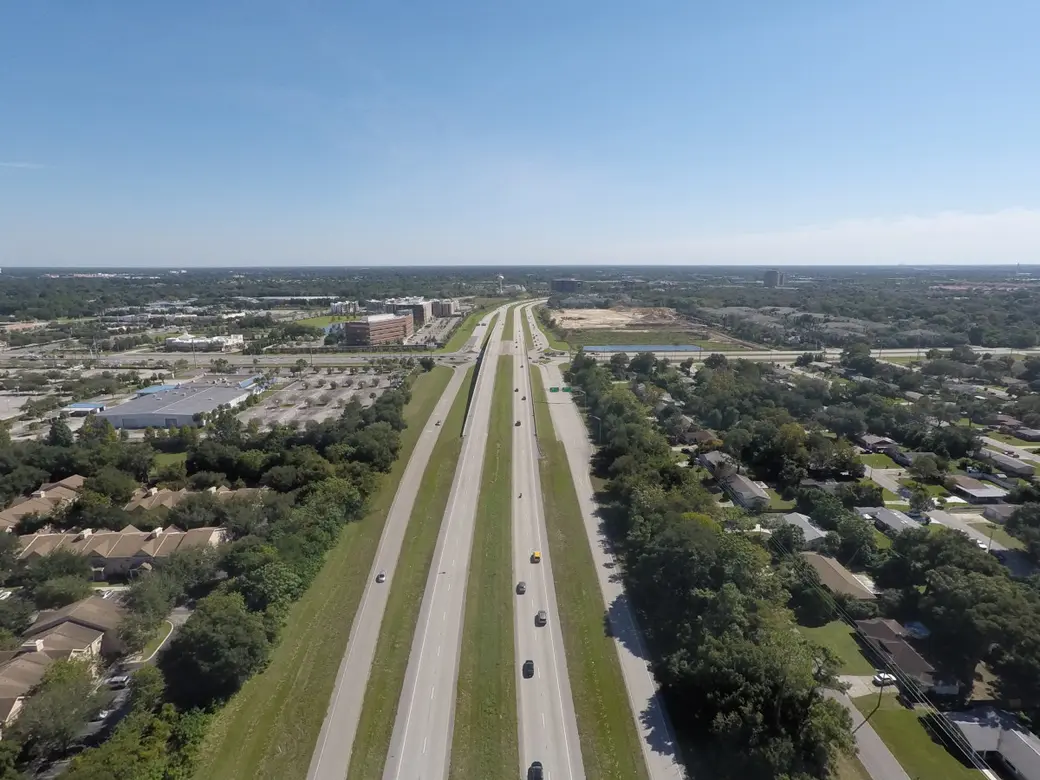
What Should You Look for When Touring Homes in Florida?
Touring homes in Florida can be exciting.
You walk through the front door and start imagining your furniture, your morning routine, your weekends, and what life could feel like in that home.
But while it is easy to focus on the kitchen, flooring, paint colors, and natural light, Florida buyers need to look deeper.
A home can photograph beautifully online and still raise important questions once you see it in person.
How old is the roof?
Does the air conditioning feel strong?
Are there signs of water intrusion?
Is the property in a flood zone?
Will insurance be reasonable?
Does the layout actually work for your lifestyle?
Are there HOA rules, pool costs, storm protection, or maintenance items that could affect your budget later?
For buyers in Englewood, Venice, Port Charlotte, Punta Gorda, Rotonda West, Placida, Sarasota, and surrounding Southwest Florida communities, a home tour should be about more than deciding whether you like the home.
It should help you understand whether the home makes sense for your budget, lifestyle, comfort level, and long-term plans.
Start With the Big Picture
Before focusing on small details, step back and ask yourself one important question:
Does this home fit the life I am trying to build?
A house may be beautiful, but that does not automatically make it the right choice.
Think about how you would actually live there.
Is the location convenient?
Does the layout work for your daily routine?
Is there enough storage?
Is the yard too much to maintain?
Would the HOA rules work for your lifestyle?
Is the home close enough to beaches, boating, golf, shopping, restaurants, medical care, family, or work?
Would you feel comfortable maintaining the property year-round?
Could you still enjoy the home if insurance, repairs, or HOA fees increased?
The best home is not always the one with the most dramatic photos.
The best home is the one that fits your real life.
Pay Attention Before You Even Walk Inside
Your first impression should begin before you enter the home.
As you arrive, look around the neighborhood and street.
Do the nearby homes appear well maintained?
Is there heavy traffic noise?
Are there drainage ditches, canals, ponds, or low-lying areas nearby?
Are the roads, sidewalks, and neighboring properties in good condition?
Does the property feel private, or are homes very close together?
Is the driveway easy to access?
Is there enough parking?
Does the home sit lower than nearby properties?
Does the yard slope toward or away from the house?
In Florida, site conditions matter. Drainage, elevation, nearby water, vegetation, and the condition of surrounding properties can all affect how a home feels and functions.
A property may look attractive online, but the street, setting, and surrounding area can change how you feel once you are there.
Look Closely at the Roof
In Florida, roof age and roof condition can have a major impact on buying a home.
The roof affects more than curb appeal. It can influence inspections, insurance, financing, future maintenance, negotiation, and your peace of mind after closing.
When touring a home, you may not be able to fully evaluate the roof yourself, but you can look for clues.
Ask or observe:
How old is the roof?
What type of roof is it?
Are there missing, curled, cracked, or damaged shingles?
Are there cracked tiles?
Does the roofline appear uneven?
Are there visible stains on ceilings inside the home?
Are there signs of past leaks?
Are gutters, soffits, fascia, and roof edges in good condition?
Are there permits or documentation for roof replacement or repairs?
A newer roof may make some buyers feel more confident, especially in Southwest Florida. An older roof does not automatically mean the home is a bad choice, but it should be reviewed early because it may affect insurance and future costs.
If you like the home, the next step is not to guess.
The next step is to gather more information.
Watch for Signs of Water Intrusion
Water intrusion is one of the most important things buyers should watch for when touring Florida homes.
This is especially true in coastal, canal, low-lying, or storm-affected areas.
Look carefully at:
Ceilings
Baseboards
Walls
Window frames
Doors
Closets
Cabinets under sinks
Garage walls
Floors near exterior doors
Lanai or patio areas
Around tubs, showers, and toilets
Around the water heater
Signs to notice may include:
Water stains
Bubbling paint
Soft drywall
Musty odors
Warped flooring
Staining near windows or doors
Discoloration around baseboards
Fresh paint in only one suspicious area
Mold-like spots
Swollen trim or cabinetry
A water stain does not automatically mean the home should be avoided. Sometimes a past leak was repaired properly. Sometimes the cause was minor.
But buyers should not ignore signs of moisture.
If something feels off, ask questions and make sure it is reviewed during inspection.
Check the Air Conditioning and Ventilation
In Southwest Florida, air conditioning matters.
A home may look great, but if the HVAC system is old, poorly maintained, or struggling, that can affect comfort, repair costs, insurance conversations, and future planning.
During a tour, pay attention to how the home feels.
Is the temperature comfortable?
Are some rooms noticeably warmer than others?
Does the system sound unusually loud?
Is there weak airflow from vents?
Are there signs of moisture around vents?
Does the air smell musty?
Is there a visible service sticker or maintenance record?
How old is the system?
An older HVAC system does not automatically make a home a bad choice, but it should be included in your overall evaluation.
You may still love the home.
You may simply need to understand whether HVAC replacement or repair could become a near-term expense.
Look at Windows, Doors, and Hurricane Protection
Windows and doors are important in Florida, especially when buyers are thinking about storm protection, insurance, energy efficiency, noise, comfort, and long-term maintenance.
When touring, look at:
Window age and condition
Whether windows open and close properly
Visible fogging between panes
Cracks or failed seals
Exterior door condition
Sliding glass doors
Garage door condition
Hurricane shutters or panels
Impact-resistant windows or doors
Documentation for storm protection
Storage location for shutters or panels
If the home has hurricane shutters, ask whether all openings are covered and whether hardware is included.
If the home has impact windows or doors, ask whether there is documentation.
Storm protection may be valuable, but buyers should verify what is actually installed and whether it applies to the full home.
Do Not Ignore Electrical, Plumbing, and Major Systems
Most buyers are not electricians, plumbers, or inspectors, and you should not try to replace a professional inspection during a showing.
But you can still notice visible clues.
For electrical, look for:
Older panels
Flickering lights
Non-working switches
Loose outlets
Limited outlets
Exposed wiring
Unusual extension cord use
For plumbing, look for:
Low water pressure
Slow drains
Stains under sinks
Leaking faucets
Old visible supply lines
Signs of previous leaks
Corrosion around fixtures
For major systems, ask about:
Water heater age
HVAC age
Roof age
Appliance age
Pool equipment age
Septic or sewer connection, if applicable
Irrigation system
If a Florida home is older, insurance companies may request more information about major systems. That does not mean older homes should be avoided, but it does mean buyers should understand what they are looking at before moving forward.
Notice the Layout, Not Just the Finishes
A home can be updated beautifully and still have a layout that does not work for your daily life.
Try to look past decor, furniture, paint colors, and staging.
Ask yourself:
Is the kitchen located where I want it?
Does the living space feel functional?
Are bedrooms positioned in a way that works for privacy?
Is there enough storage?
Is there a real dining area if I need one?
Is there enough natural light?
Does the primary suite feel comfortable?
Is the laundry area practical?
Is the garage large enough?
Is there room for guests, hobbies, work, or family?
Could I live here comfortably five years from now?
Cosmetic updates can be changed.
A difficult layout may be harder to fix.
Think About Maintenance Before You Fall in Love
Florida homes can come with maintenance needs that buyers should think about early.
A pool may be wonderful, but it requires regular care.
A large yard may be beautiful, but it may need lawn service, irrigation, trimming, and pest control.
A waterfront property may offer boating and views, but docks, seawalls, lifts, salt exposure, and storm preparation can add responsibility.
A condo may feel low-maintenance, but association fees, reserves, insurance responsibilities, and rules should be reviewed carefully.
A larger home may mean higher utilities, more cleaning, and more upkeep.
Ask yourself:
Can I comfortably maintain this home?
Would I need to hire help?
Are there expensive systems or features I need to understand?
Does the home fit the level of maintenance I actually want?
Does the property match my lifestyle or just my wish list?
The right home should be enjoyable to own, not just exciting to tour.
Pay Attention to Flood Zone and Elevation Questions
In Florida, buyers should understand flood risk before getting too far into the process.
This is especially important in coastal areas, waterfront neighborhoods, canal communities, and low-lying parts of Southwest Florida.
During a tour, you may not know everything yet, but you can begin asking smart questions.
Is the home in a flood zone?
Is flood insurance required by the lender?
Is there an elevation certificate?
Has the home experienced flooding?
Has there been previous water intrusion?
Are there signs of moisture or repairs near lower walls or baseboards?
How does the yard drain?
How close is the home to canals, rivers, bays, or the Gulf?
How did the property perform during past storms?
A flood zone does not automatically mean a home is a bad choice.
Many buyers happily purchase homes in flood zones because the location or lifestyle is worth it to them.
But flood risk should be understood before making a final decision.
Review the Outdoor Space Carefully
Outdoor living is one of the biggest reasons people buy homes in Southwest Florida.
Lanais, patios, pools, waterfront views, outdoor kitchens, screened areas, and backyards can all add to the appeal of a home.
But outdoor spaces should be evaluated carefully.
Look at:
Screen enclosure condition
Pool surface and equipment
Decking or pavers
Drainage around the lanai
Fence condition
Irrigation
Landscaping
Signs of standing water
Exterior paint or stucco cracks
Soffits and fascia
Outdoor lighting
Pest or wood-destroying organism concerns
If the home is waterfront, also consider:
Dock condition
Seawall condition
Boat lift condition
Water depth
Canal width
Bridge access
Maintenance responsibilities
Outdoor space can add tremendous lifestyle value, but buyers should understand what it may cost to maintain.
Ask About HOA, Condo, and Community Rules
If the home is in an HOA, condo, villa, townhome, gated community, golf community, or deed-restricted neighborhood, the rules matter.
Do not wait until the end of the process to think about them.
Ask about:
Monthly or quarterly fees
What the fees include
Rental restrictions
Pet rules
Parking rules
Vehicle restrictions
Architectural guidelines
Lawn or exterior maintenance
Community amenities
Reserve funds
Special assessments
Insurance responsibilities
Approval processes
Rules for fences, pools, landscaping, boats, RVs, or exterior changes
Some buyers love community rules because they help maintain neighborhood consistency and amenities.
Other buyers prefer more flexibility.
Neither is wrong.
The key is knowing which lifestyle fits you before you buy.
Think About Insurance While Touring
Insurance may not be the most exciting part of buying a home, but in Florida, it can strongly affect affordability.
While touring, think about insurance-related questions:
How old is the roof?
Does the home have storm protection?
Is there a wind mitigation report?
Could a 4-point inspection be needed?
How old are plumbing, electrical, HVAC, and roof systems?
Is the home near water?
Is flood insurance required or recommended?
Has the home had prior claims?
Are there updates with permits or documentation?
Is it a condo where the association has certain insurance responsibilities?
A home may fit your search price but not your monthly comfort level once insurance is included.
That is why insurance should be part of the early evaluation, not a last-minute surprise.
Notice the Neighborhood at Different Times
A home tour only shows you one moment.
The neighborhood may feel different in the morning, evening, weekend, or during seasonal traffic.
If you are seriously considering a home, it may be helpful to pay attention to:
Traffic patterns
Noise
Nearby businesses
School traffic
Construction
Short-term rentals nearby
Parking
Lighting
Neighboring property condition
Distance to daily errands
Drive time to beaches, medical care, restaurants, or family
A home should work not only during the showing.
It should work during normal life.
Look for What Could Affect Resale Later
Even if you plan to stay in the home for many years, resale matters.
Life changes.
Plans change.
Family needs change.
Health, work, and financial situations can change.
Before buying, ask:
Will future buyers like this location?
Is the floor plan practical?
Are there unusual features that may limit the buyer pool?
Could insurance or flood concerns affect resale?
Are HOA or condo fees reasonable for the market?
Is the home easy to maintain?
Does it have features buyers in this area tend to value?
Is the home priced appropriately for its condition?
A home should make sense for you now, but it should also give you options later.
Do Not Let Pretty Finishes Distract You From Expensive Issues
A home can have new countertops, fresh paint, stylish lighting, and beautiful staging while still having expensive issues underneath.
Try not to let cosmetic appeal distract you from the bigger questions.
A renovated kitchen is nice.
But what about the roof?
The HVAC?
The electrical system?
The plumbing?
The windows?
The flood zone?
The insurance?
The maintenance?
The neighborhood?
The monthly cost?
The resale potential?
Finishes matter, but they are only one part of the decision.
A smart buyer looks at the full picture.
What to Bring With You When Touring Homes
It can help to stay organized while touring multiple properties.
Consider keeping notes on each home so they do not blur together later.
You may want to track:
Address
Price
Location
First impression
Roof age
HVAC age
Visible condition
Layout
Storage
Outdoor space
Flood zone questions
Insurance questions
HOA or condo fees
Potential repairs
What you liked
What concerned you
Questions to ask
Whether the home still fits your budget after costs
This does not have to be complicated.
The point is to make a clear decision instead of relying only on emotion or memory after seeing several homes in one day.
Questions to Ask During or After a Home Tour
When a home feels like a possibility, ask more specific questions.
How old is the roof?
How old is the HVAC system?
Is there a wind mitigation report?
Has the home had a 4-point inspection?
Is flood insurance required?
Is there an elevation certificate?
Has the property ever flooded?
Are there known insurance claims?
Are there permits for major updates?
What repairs or improvements were completed recently?
What is included in the sale?
Are there HOA or condo documents?
Are there rental restrictions?
Are there pet restrictions?
Are there upcoming assessments?
How long has the home been on the market?
What are comparable homes selling for?
What would be the next step if I wanted to make an offer?
You do not need every answer during the first showing.
But if you like the home, these questions can help guide the next stage.
What Happens If You See Something Concerning?
Seeing a concern during a home tour does not always mean you should walk away.
It may simply mean you need more information.
A stain may need explanation.
An older roof may need insurance guidance.
A warm room may need HVAC review.
A flood zone may need a quote and elevation details.
A pool concern may need a pool inspection.
A seawall concern may need a specialist.
An outdated electrical panel may need review.
A crack may need clarification.
The goal is not to panic.
The goal is to understand.
Some issues are manageable.
Some can be negotiated.
Some may affect the price.
Some may be deal-breakers.
The right decision depends on the home, the issue, your budget, your timeline, and your comfort level.
Why Local Guidance Matters When Touring Homes in Florida
Buying in Florida is not only about finding a home you like.
It is about understanding the property, the area, the costs, the risks, and the process.
Two homes may look similar online but have very different realities.
One may have a newer roof.
One may be easier to insure.
One may have lower flood risk.
One may have fewer HOA restrictions.
One may need expensive updates.
One may fit your lifestyle better.
One may be a better long-term decision.
At The Suncoast Group, we help buyers look beyond the listing photos. Our role is to help you understand your options, evaluate properties carefully, review important details, prepare strong offers, understand terms and contingencies, manage deadlines, and navigate the buying process from the first search through closing.
A home tour should not feel rushed or confusing.
It should help you become more confident about what matters, what questions to ask, and which homes truly fit your life.
Frequently Asked Questions About Touring Homes in Florida
What should I look for first when touring a home in Florida?
Start with the big picture: location, layout, condition, roof age, signs of water intrusion, HVAC performance, flood zone questions, insurance considerations, and whether the home fits your lifestyle and budget.
Why is roof age so important when buying a home in Florida?
Roof age can affect inspections, insurance, future maintenance, negotiations, and buyer confidence. An older roof does not automatically make a home a bad choice, but it should be reviewed early.
Should I worry about flood zones when touring homes in Southwest Florida?
Flood zones should be part of the conversation, especially near coastal, canal, waterfront, or low-lying areas. A flood zone does not automatically mean the home is a poor choice, but buyers should understand insurance requirements, elevation, flood history, and risk.
Can I rely on listing photos before touring a home?
Photos are helpful, but they do not tell the full story. They may not show roof condition, drainage, traffic noise, moisture concerns, neighborhood feel, storage, layout issues, or maintenance needs.
What are signs of water damage to look for during a tour?
Look for ceiling stains, bubbling paint, musty odors, warped floors, discoloration near baseboards, soft drywall, cabinet staining, window leaks, or fresh paint in isolated areas that may be covering past damage.
Should I ask about insurance before making an offer?
Yes. In Florida, insurance can affect affordability and confidence. Buyers should ask about roof age, wind mitigation, 4-point inspections, flood zone, storm protection, and prior claims when relevant.
What should I check if the home has a pool?
Look at the pool surface, equipment, screen enclosure, decking, drainage, visible leaks, age of components, and overall maintenance. A separate pool inspection may be helpful if the home becomes a serious option.
What should I check if the home is waterfront?
Consider the seawall, dock, boat lift, water depth, bridge access, flood zone, insurance, maintenance responsibilities, and storm exposure. Waterfront living can be wonderful, but buyers should understand the costs and upkeep.
Are HOA and condo rules important before buying?
Yes. Buyers should review fees, rules, reserves, assessments, insurance responsibilities, pet policies, rental restrictions, parking rules, and maintenance responsibilities before purchasing.
How can The Suncoast Group help during home tours?
The Suncoast Group helps buyers evaluate homes beyond the photos, compare property condition, understand local concerns, ask better questions, prepare strong offers, manage contingencies, and move through the buying process with clear guidance.
Touring Homes in Southwest Florida?
A home tour should help you do more than decide whether you like the house.
It should help you understand whether the home fits your budget, lifestyle, maintenance comfort level, insurance needs, and long-term plans.
Whether you are buying in Englewood, Venice, Port Charlotte, Punta Gorda, Rotonda West, Placida, Sarasota, or another Southwest Florida community, the right questions can help you make a more confident decision.
At The Suncoast Group, we help buyers look at the full picture before moving forward.
Not just the listing photos.
Not just the finishes.
Not just the price.
The home, the location, the condition, the costs, and the next steps all matter.
If you are ready to start touring homes in Southwest Florida, we can help you search with clarity, compare your options, and move forward with confidence.
Categories
- All Blogs (20)
- Buyer Resources (6)
- florida (3)
- Home Buying Tips (10)
- Home Selling Tips (1)
- homes for sale (1)
- Local Area Guides (3)
- Market Trends (2)
- Millennials & Gen Z (1)
- new home (1)
- new listing (1)
- personal finance (2)
- port charlotte (1)
- real estate (6)
- Real Estate News (1)
- Relocation (3)
- Retirement (1)
- southwest florida (4)
- Waterfront Homes (1)
Recent Posts






"Molly's job is to find and attract mastery-based agents to the office, protect the culture, and make sure everyone is happy! "
GET MORE INFORMATION