


What Buyers Should Know About Home Insurance in Southwest Florida

What Buyers Should Know About Home Insurance in Southwest Florida
You found a home you love in Southwest Florida. The location feels right, the layout works, and the price fits your budget.
Before moving forward, there is another important question to ask:
How much will it cost to insure this home, and what will that insurance actually cover?
Home insurance can affect your monthly payment, financing, closing timeline, and long-term cost of ownership.
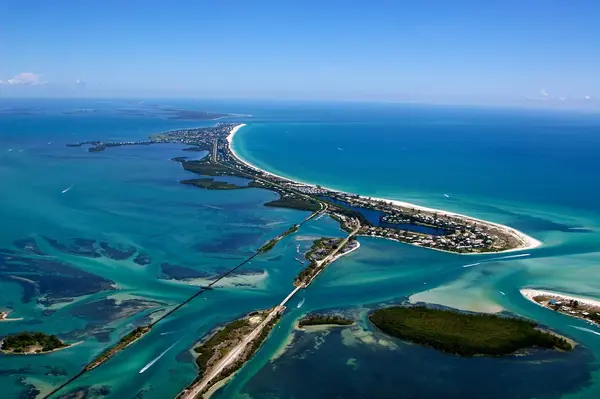
For buyers considering Englewood, Venice, Port Charlotte, Punta Gorda, Rotonda West, Placida, Sarasota, and surrounding Southwest Florida communities, insurance should be part of the home-buying conversation early.
Two homes with similar prices can have very different insurance costs based on roof age, construction, storm protection, flood exposure, property condition, and location.
Understanding those details before you become committed to a property can help you make a more informed decision.
Why Insurance Matters When Buying in Southwest Florida
Southwest Florida offers beaches, boating, warm weather, golf, coastal communities, and year-round outdoor living.
Those lifestyle benefits also come with weather-related considerations.
Hurricanes, strong winds, heavy rainfall, flooding, and coastal exposure can all influence insurance.
The home itself matters too.
Insurers may evaluate factors such as:
-
Roof age and condition
-
Construction type
-
Year built
-
Electrical system
-
Plumbing
-
HVAC
-
Wind-mitigation features
-
Hurricane shutters or impact windows
-
Prior claims
-
Property location
-
Whether the home is occupied full-time, seasonally, or rented
For financed purchases, lenders generally require acceptable property insurance before closing.
That makes insurance more than another monthly expense. It can become part of deciding whether a particular home makes financial sense.
What Does Homeowners Insurance Typically Cover?
Coverage varies by policy, but a standard homeowners policy may include protection for several parts of homeownership.
Common coverage categories include:
-
Dwelling coverage: Helps repair or rebuild the insured home's structure after a covered loss
-
Other structures: May cover detached structures such as garages, fences, or sheds
-
Personal property: Helps protect belongings, subject to policy limits and exclusions
-
Personal liability: May provide protection for certain covered injury or property-damage claims
-
Additional living expenses: May help with temporary living costs when a covered loss makes the home uninhabitable
Coverage limits, exclusions, deductibles, and claim settlement methods can vary significantly.
Buyers should also understand whether certain claims are settled based on replacement cost or actual cash value, which factors in depreciation.
The lowest premium is not automatically the best choice.
A good comparison looks at both the price of the policy and the protection it provides.
What Affects Insurance Costs?
Home insurance pricing is property-specific.
A quote for one property should not be assumed to apply to another, even if the homes are similarly priced or located in the same neighborhood.
Factors that may influence cost include:
-
Location and weather exposure
-
Age of the home
-
Roof age, material, and condition
-
Construction type
-
Wind-mitigation features
-
Hurricane shutters or impact windows
-
Electrical, plumbing, and HVAC condition
-
Prior claims or underwriting history
-
Selected coverage limits
-
Deductibles
-
Occupancy type
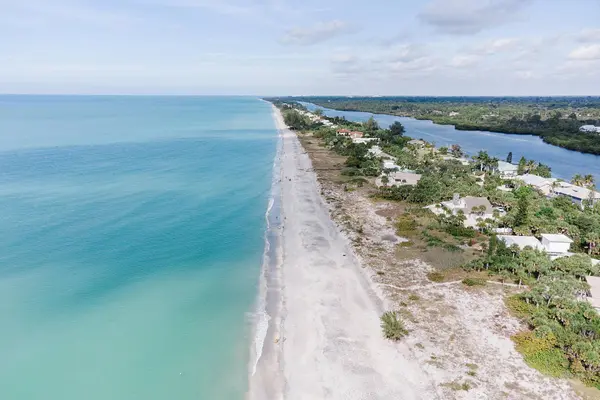
For example, a coastal property in Englewood or Placida may have different insurance considerations from a similar home farther inland.
An updated Venice home may still have an older roof or major system that requires additional review.
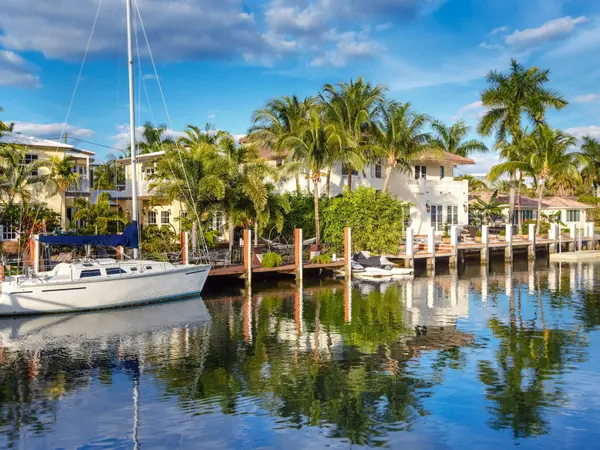
A canal-front property in Port Charlotte or Punta Gorda may require both homeowners and flood insurance evaluation.
Even two homes on the same street can receive different quotes.
That is why property-specific estimates are much more useful than general online averages.
Roof Age Is an Important Insurance Question
A home's interior can be beautifully updated while the roof still creates insurance concerns.
Insurers may consider the roof's age, material, condition, installation date, remaining useful life, and available documentation.
Florida law also provides certain protections related to roof age.
An insurer generally cannot refuse to issue or renew a homeowners policy solely because a roof is less than 15 years old.
For roofs that are at least 15 years old, an insurer must allow an inspection by an authorized inspector before requiring replacement solely because of age. If the inspection shows at least five years of useful life remaining, the insurer cannot refuse issuance or renewal solely because of roof age.
That does not guarantee coverage for every older roof. Damage, condition, maintenance, and other underwriting factors may still matter.
Before buying, ask:
-
How old is the roof?
-
What material is it?
-
Is there permit or installation documentation?
-
Has it been repaired?
-
Has it experienced storm damage?
-
Is an inspection or certification available?
-
Could it affect eligibility or premium?
-
Should possible replacement costs affect the offer?
An older roof does not automatically make a home a bad purchase.
It simply deserves closer review.
Four-Point and Wind Mitigation Inspections Serve Different Purposes
Florida buyers may hear about both four-point inspections and wind mitigation inspections.
They are not the same.
Four-Point Inspection
A four-point inspection reviews four major systems:
-
Roof
-
Electrical
-
Plumbing
-
Heating, ventilation, and air conditioning
An insurer may request this type of inspection, particularly for an older property, to help evaluate underwriting eligibility.
It is not a substitute for a complete home inspection.
Wind Mitigation Inspection
A wind mitigation inspection looks at features that may help the property resist wind damage.
These can include:
-
Roof construction and attachment
-
Roof shape
-
Secondary water resistance
-
Protection for windows and exterior openings
Qualifying features may help a homeowner receive applicable windstorm insurance discounts.
If a wind mitigation report already exists, ask whether it is still current and whether updated documentation would be useful.
These inspections can provide valuable information about a property's insurance profile before closing.
Homeowners Insurance and Flood Insurance Are Different
One of the most important things Florida buyers should understand is that standard homeowners insurance generally does not cover flood damage.
Flood insurance is typically separate.
That distinction matters because hurricane damage can come from different causes.
Wind damage and flooding from rising water or storm surge may fall under different types of coverage.
Buyers considering coastal, canal, bayfront, or low-lying properties should review flood exposure carefully, but flood risk is not limited to waterfront homes.
Heavy rainfall and drainage problems can affect inland properties too.
Before buying, ask:
-
What FEMA flood zone is the home in?
-
Is flood insurance required by the lender or insurer?
-
What might coverage cost?
-
Has the property experienced flooding?
-
Is an elevation certificate available?
-
What are the building and contents limits?
-
Are there exclusions or waiting periods?
Florida law requires sellers to provide a residential flood disclosure at or before execution of the sales contract. Buyers should review that disclosure carefully along with available property history and inspection findings.
Even when flood insurance is not required, it may still be worth discussing with an insurance professional.
What Buyers Should Know About Citizens Flood Requirements in 2026
Some Florida homeowners obtain coverage through Citizens Property Insurance Corporation.
Citizens has been phasing in flood insurance requirements for certain personal residential policies that include wind coverage.
As of 2026, most affected Citizens policies for properties outside FEMA-designated Special Flood Hazard Areas require flood insurance when the insured dwelling coverage amount is $400,000 or more.
For covered properties within designated Special Flood Hazard Areas, the flood insurance requirement already applies.
The current phase-in also provides for a broader requirement beginning January 1, 2027, subject to applicable policy exceptions and future changes.
An important distinction is that the $400,000 threshold refers to the policy's dwelling coverage amount, not necessarily the home's purchase price.
Because requirements can depend on the property and policy type, buyers should confirm current Citizens requirements with a qualified insurance professional.
Do Not Ignore the Hurricane Deductible
When comparing insurance quotes, it is easy to focus on the annual premium.
The deductible can be just as important.
Some Florida homeowners policies have a separate hurricane deductible that differs from the deductible used for other covered losses.
That hurricane deductible may be based on a percentage of the insured dwelling amount rather than a simple flat dollar figure.
Before selecting a policy, ask:
-
What is the standard deductible?
-
What is the hurricane deductible?
-
What does that percentage equal in dollars?
-
When does each deductible apply?
-
Are there separate roof or water-damage deductibles?
-
What exclusions or limitations apply?
-
How would a claim be settled?
A lower annual premium may come with a higher deductible or different coverage terms.
Make sure you understand both.
Condo and Villa Buyers Have Different Insurance Responsibilities
Venice, Sarasota, Englewood, Punta Gorda, and other Southwest Florida communities offer many condos, villas, and association-managed properties.
Insurance works differently in these settings.
A condominium association may carry a master policy covering certain portions of the building and common property, while the individual unit owner generally needs separate coverage for belongings, liability, and specified interior features.
This is commonly referred to as an HO-6 policy.
Before buying a condo, review:
-
What the association's master policy covers
-
What the unit owner must insure separately
-
Whether separate flood insurance may be appropriate
-
Hurricane and wind deductibles
-
Loss assessment coverage
-
Association insurance expenses
-
Current or planned assessments
A condo with an attractive purchase price can still have substantial association and personal insurance costs.
Those expenses should be considered before deciding what is affordable.
When Should Buyers Request an Insurance Quote?
Insurance should be discussed before you become too committed to a particular property.
A practical approach is:
Before Making an Offer
Identify obvious insurance concerns such as an older roof, waterfront location, flood exposure, previous storm damage, or aging systems.
When practical, request a preliminary estimate.
During the Inspection Period
Complete any inspections or documentation the insurance provider may need, including four-point or wind mitigation inspections when applicable.
Before Contract Deadlines
Confirm whether coverage is available, what the estimated premium will be, what deductibles apply, and whether the policy satisfies lender requirements.
Before Closing
Coordinate policy approval, effective date, payment, and any lender-required proof of insurance.
Keep in mind that a preliminary quote is not necessarily a final offer of coverage.
Pricing or eligibility may change once underwriting reviews the property and application.
Waiting until the last few days before closing can create unnecessary pressure if additional documents or repairs are required.
How to Compare Insurance Quotes
Do not compare policies based on premium alone.
Ask whether the quotes provide similar levels of protection.
Review:
-
Dwelling coverage amount
-
Replacement-cost estimate
-
Wind and hurricane coverage
-
Standard deductible
-
Hurricane deductible
-
Coverage exclusions
-
Personal property limits
-
Liability coverage
-
Additional living expense coverage
-
Flood insurance requirements
-
Wind mitigation credits
-
Lender requirements
-
Whether underwriting is complete or the quote is still preliminary
A cheaper quote may provide less coverage or require a larger out-of-pocket expense after a claim.
The goal is to understand what you are buying, not simply find the smallest premium.
Why an Insurance Professional Should Be Involved Early
Home insurance is a specialized part of the buying process.
Your real estate agent can help identify property details that deserve further investigation, but a licensed insurance professional is the appropriate person to explain policy options, underwriting requirements, exclusions, deductibles, and coverage.
That is why The Suncoast Group works with trusted professionals beyond real estate.
One of our partners is Legacy First Insurance Agency, which can be a resource for buyers and homeowners who want help exploring their insurance options.
An insurance professional can help answer questions such as:
-
How might an older roof affect coverage?
-
Will a four-point inspection be required?
-
Could wind mitigation features reduce the premium?
-
Should flood insurance be considered?
-
How do two quotes with different deductibles really compare?
-
What coverage gaps should the buyer understand?
The Suncoast Group can help with the real estate side of the purchase, while Legacy First Insurance can help buyers explore the insurance side.
Buyers remain free to compare providers and choose the licensed insurance company or agent that works best for them.
Interested in discussing insurance options? Visit The Suncoast Group's Partners Page and select Get Home Insurance Quote With Legacy First Insurance.
https://www.thesuncoastgroup.net/our-partners
Insurance Is Part of the Full Cost of Buying a Home
Insurance should be evaluated alongside:
-
Mortgage payment
-
Property taxes
-
Flood coverage
-
HOA or condo fees
-
Utilities
-
Maintenance
-
Future repairs
Consider two homes offered at similar prices.
One may have a newer roof, documented wind mitigation features, and fewer immediate maintenance concerns.
The other may have older systems or require more insurance review.
Both properties could still be good options.
But they may create very different monthly expenses and ownership responsibilities.
The better question is not simply:
What does this home cost to buy?
It is:
What will this home cost to own comfortably?
Frequently Asked Questions About Home Insurance in Southwest Florida
Is homeowners insurance required when buying a home in Florida?
Florida law generally does not require every homeowner to carry homeowners insurance, but mortgage lenders typically require acceptable property insurance as a condition of financing. Cash buyers should still consider the financial risk of owning a home without adequate protection.
How much does homeowners insurance cost in Southwest Florida?
There is no single answer. Location, roof age, construction, wind mitigation, deductibles, coverage limits, claims history, and other property-specific factors can influence the premium. A quote for the actual home is more useful than a regional average.
Does homeowners insurance cover hurricane damage?
Many Florida homeowners policies provide coverage for certain hurricane-related wind damage, subject to the policy's terms, deductibles, exclusions, and limits. Flooding and storm surge generally require separate flood insurance.
Do I need flood insurance if the home is not in a high-risk flood zone?
Not necessarily under every lender or policy requirement, but flooding can occur outside designated high-risk areas. Certain Citizens policies may also require flood coverage outside Special Flood Hazard Areas.
Will an older roof prevent me from getting insurance?
Not automatically. Florida law limits an insurer's ability to deny coverage solely because of roof age. Roof condition, remaining useful life, damage, and other underwriting factors can still affect coverage.
What is the difference between a four-point inspection and a wind mitigation inspection?
A four-point inspection evaluates the roof, electrical, plumbing, and HVAC systems for insurance underwriting. A wind mitigation inspection evaluates storm-resistant features that may qualify the property for applicable windstorm discounts.
Should I get an insurance quote before making an offer?
It can be helpful, especially when considering an older, coastal, waterfront, or storm-affected property. At minimum, insurance eligibility and costs should be investigated early enough to address concerns before important contract deadlines.
Can The Suncoast Group connect me with an insurance professional?
Yes. The Suncoast Group partners with Legacy First Insurance Agency and can connect buyers with a resource for discussing insurance options. Buyers remain free to compare providers and choose their preferred licensed insurance professional.
Buying in Southwest Florida? Understand the Insurance Before You Close
Buying a home is about more than finding the right property.
You also need to know whether the home fits your complete budget, including the cost of protecting it.
Before moving forward, take time to understand the roof, property condition, flood exposure, deductibles, insurance requirements, and coverage options.
At The Suncoast Group, we help buyers look beyond the listing photos and evaluate the details that can affect a purchase, from property condition and offer strategy to inspections and closing.
Together with trusted partners such as Legacy First Insurance Agency, our goal is to help buyers connect with the information and professional guidance they need to make informed decisions.
If you are considering a home in Englewood, Venice, Port Charlotte, Punta Gorda, Rotonda West, Placida, Sarasota, or the surrounding Southwest Florida area, understanding the insurance picture early can help you avoid surprises later.
The Suncoast Group powered by LPT Realty
941-413-1515
Explore Our Trusted Partners:
https://www.thesuncoastgroup.net/our-partners
Categories
- All Blogs (20)
- Buyer Resources (6)
- florida (3)
- Home Buying Tips (10)
- Home Selling Tips (1)
- homes for sale (1)
- Local Area Guides (3)
- Market Trends (2)
- Millennials & Gen Z (1)
- new home (1)
- new listing (1)
- personal finance (2)
- port charlotte (1)
- real estate (6)
- Real Estate News (1)
- Relocation (3)
- Retirement (1)
- southwest florida (4)
- Waterfront Homes (1)
Recent Posts






"Molly's job is to find and attract mastery-based agents to the office, protect the culture, and make sure everyone is happy! "
GET MORE INFORMATION