

What Can Go Wrong Before Closing, and How Can Buyers Prepare?
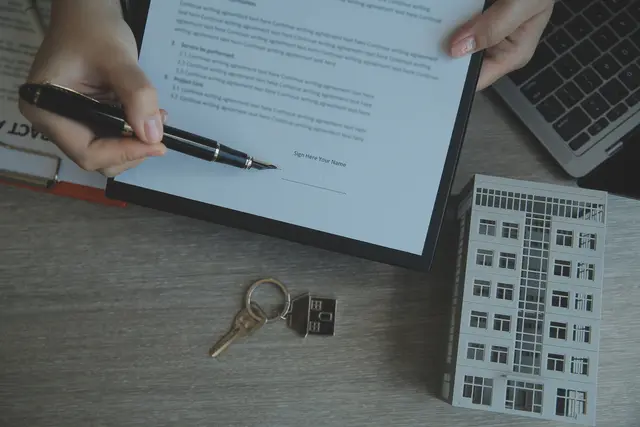
What Can Go Wrong Before Closing, and How Can Buyers Prepare?
Your offer was accepted. You found a home you love, negotiated the terms, and started thinking about move-in day.
It may feel like the hardest part is over.
But there is still an important stretch between getting under contract and receiving the keys.
During this time, inspections, mortgage approval, appraisal, homeowners insurance, title work, association documents, closing funds, and the final walkthrough all need to come together.
Most transactions move forward smoothly. But unexpected issues can happen, even when everyone is working toward the same closing date.
For buyers in Englewood, Venice, Port Charlotte, Punta Gorda, Rotonda West, Placida, Sarasota, and surrounding Southwest Florida communities, knowing what can go wrong before closing can help reduce delays, extra expenses, and unnecessary stress.
The goal is not to expect problems.
It is to be prepared if one appears.
An Accepted Offer Does Not Mean Everything Is Final
Once the seller accepts your offer, the property is under contract, but several important steps may still need to be completed.
Depending on the agreement, these may include:
-
Delivering the earnest money deposit
-
Completing inspections
-
Reviewing disclosures
-
Obtaining final mortgage approval
-
Completing the appraisal
-
Securing homeowners and flood insurance
-
Reviewing title and survey information
-
Reviewing HOA or condo documents
-
Preparing closing funds
-
Completing the final walkthrough
Many of these steps have contractual deadlines.
Understanding those dates from the beginning is one of the simplest ways buyers can protect themselves and keep the transaction organized.
Missing a Contract Deadline
One of the most preventable problems before closing is missing an important deadline.
Florida purchase contracts may include deadlines for deposits, inspections, financing, association documents, and closing.
Depending on the contract, missing a deadline can affect your options or rights.
For example, if an inspection uncovers a serious problem, your ability to cancel, negotiate, or take another action may depend on the contract terms and whether you respond within the required period.
Under the commonly used Florida Realtors/Florida Bar AS IS contract, buyers generally have a broad right to terminate during the agreed inspection period when the required notice procedures are followed.
Other contract forms may work differently.
How to prepare: Review important dates with your agent, respond quickly when decisions or documents are needed, and discuss written extensions before a deadline expires when additional time is necessary.
Do not assume a verbal agreement automatically changes the contract.
Mortgage Financing Changes Before Closing
A pre-approval is important, but it is not final loan approval.
Before closing, the lender still needs to verify financial information, complete underwriting, review the property, and confirm that the loan meets its requirements.
Problems can arise when a buyer's financial situation changes.
Examples include:
-
Financing a vehicle
-
Opening new credit accounts
-
Buying furniture or appliances on credit
-
Making a large purchase
-
Changing jobs or income structure
-
Moving large amounts of money without documentation
-
Making unusual deposits
-
Delaying lender paperwork
Lenders may review credit again before closing.
How to prepare: Keep your financial situation as stable as possible during the transaction. Avoid unnecessary new debt and speak with your loan officer before making significant financial changes.
If a job change, transfer, or large deposit cannot be avoided, let the lender know early.
The Appraisal Comes in Low
A low appraisal can create a gap between the agreed purchase price and the lender's valuation of the home.
For example, if the contract price is $400,000 and the appraisal comes in at $385,000, there is a $15,000 appraisal gap.
Depending on the contract and loan, possible options may include:
-
Asking the seller to reduce the price
-
Bringing additional cash
-
Adjusting the financing
-
Reviewing the appraisal for factual errors
-
Exploring other contractual options
A seller is not automatically required to lower the price, and a buyer may not always have an automatic right to cancel.
How to prepare: Review comparable sales before making an offer and ask your lender how a low appraisal could affect the purchase.
If it happens, work with your agent and lender to understand the available options before acting.
The Inspection Reveals Unexpected Problems
A home can look excellent during a showing and still have issues that appear during a professional inspection.
Southwest Florida buyers may need to pay particular attention to:
-
Roof age and condition
-
HVAC performance
-
Electrical and plumbing systems
-
Water intrusion or moisture
-
Structural concerns
-
Hurricane protection
-
Pool equipment and screen enclosures
-
Septic or well systems
-
Seawalls, docks, and boat lifts on waterfront properties
A general inspector may also recommend further evaluation by a roofer, electrician, engineer, or other specialist.
Some problems are minor.
Others can affect insurance, financing, repair costs, or whether you still want the property.
How to prepare: Schedule inspections early, review the reports carefully, obtain specialist opinions or repair estimates when necessary, and make decisions before your contractual deadlines expire.
If repairs, credits, or other agreements are negotiated, make sure they are documented properly.
Homeowners Insurance Creates a Problem
Insurance can become a major issue in Southwest Florida.
Roof age, wind exposure, storm protection, electrical and plumbing systems, property condition, flood risk, and location may all affect eligibility and cost.
An insurer may request:
-
A four-point inspection
-
Wind mitigation report
-
Roof documentation
-
Additional repairs
-
Updated property information
Flood insurance may also be part of the conversation, particularly for coastal, waterfront, and low-lying properties.
Standard homeowners insurance generally does not cover flooding.
How to prepare: Start researching insurance early rather than waiting until the final week before closing.
Ask about:
-
Eligibility
-
Premiums
-
Hurricane deductibles
-
Coverage limits
-
Roof requirements
-
Wind mitigation
-
Flood insurance
-
Required inspections
The Suncoast Group also works with Legacy First Insurance Agency, one of our trusted partners. Buyers who want help exploring insurance options can visit The Suncoast Group's Partners Page:
https://www.thesuncoastgroup.net/our-partners
Buyers remain free to choose their preferred licensed insurance provider.
Title, Liens, Permits, or Survey Issues Cause Delays
Before closing, the title and closing professionals review property ownership and other important records.
Possible issues may include:
-
Outstanding liens
-
Unreleased mortgages
-
Ownership problems
-
Legal-description errors
-
Probate or estate matters
-
Multiple owners who need to sign
-
Easements
-
Encroachments
-
Boundary concerns
-
Open permits
-
Unpermitted improvements
A survey may also reveal a fence, structure, driveway, or other improvement crossing a boundary or easement.
How to prepare: Review title, survey, and permit concerns as early as possible.
If an issue appears, ask what needs to happen, who is responsible for resolving it, and whether it could affect the closing date.
Do not assume the issue will correct itself.
HOA or Condo Documents Reveal Something Unexpected
A home may be in great condition while the association documents reveal concerns.
Buyers should review:
-
HOA or condo fees
-
Special assessments
-
Reserve funding
-
Association insurance
-
Rental restrictions
-
Pet rules
-
Parking and vehicle restrictions
-
Approval requirements
-
Planned repairs
For applicable Florida condominium buildings, milestone inspection reports and Structural Integrity Reserve Studies, commonly called SIRS, may also be important.
These documents may reveal upcoming repairs, reserve needs, or possible financial obligations.
How to prepare: Request and review association documents promptly.
Ask about current and approved future assessments, budgets, reserves, insurance, and inspection reports.
If financing a condo, also confirm with your lender that the project meets the loan program's requirements.
A Storm or New Damage Affects the Home
A property can be in good condition when you sign the contract and experience damage before closing.
In Southwest Florida, this may happen because of:
-
Tropical storms
-
Hurricanes
-
Heavy rainfall
-
Plumbing leaks
-
Roof damage
-
Other unexpected events
Depending on the circumstances, the home may need another inspection, repairs, updated insurance review, or a delayed closing.
A storm does not automatically cancel or extend every transaction.
The contract matters.
How to prepare: Stay informed about major weather events and notify your agent quickly if the property may have been affected.
Ask whether another inspection is appropriate and review any contract provisions related to casualty damage and deadlines.
Do not assume the property remains in the same condition simply because it passed an earlier inspection.
Closing Costs Are Higher Than Expected
Buyers often focus on the down payment, but the final amount needed to close can include additional expenses.
These may include:
-
Lender fees
-
Prepaid interest
-
Insurance premiums
-
Property tax adjustments
-
Escrow deposits
-
Title charges
-
Other closing expenses
For most mortgage transactions covered by federal Closing Disclosure requirements, buyers receive a Closing Disclosure at least three business days before consummation.
This document shows the final loan terms, projected payment, and closing costs.
How to prepare: Review the Closing Disclosure as soon as you receive it and compare it with your earlier Loan Estimate.
Pay attention to:
-
Interest rate
-
Monthly payment
-
Cash needed to close
-
Lender fees
-
Insurance
-
Taxes
-
Credits
If something looks unexpected, ask your lender or closing professional about it before signing.
Wire Fraud Targets Your Closing Funds
Wire fraud is one of the most serious closing risks.
Scammers may impersonate agents, lenders, title companies, or closing professionals and send convincing emails with fraudulent wiring instructions.
The message may say the instructions changed or pressure you to send money quickly.
Once funds are sent to a fraudulent account, recovering them can be extremely difficult.
How to prepare: Always verify wiring instructions directly with the title or closing company using a telephone number you already know is legitimate.
Do not rely on contact information contained in an unexpected email.
Treat any last-minute change to payment instructions as a warning sign.
If you believe a fraudulent transfer occurred, contact your bank immediately.
The Final Walkthrough Reveals a Problem
The final walkthrough is your opportunity to confirm that the property is in the condition required by the contract before closing.
It is not another full home inspection.
Depending on the agreement, buyers may want to confirm that:
-
Agreed repairs are complete
-
Included appliances and fixtures remain
-
No significant new damage has occurred
-
The property has been maintained as required
-
The seller has vacated when required
-
Unexpected debris or personal items have been removed
Problems can include a new ceiling stain, unfinished repairs, missing appliances, or new damage.
How to prepare: Schedule the walkthrough close to closing when appropriate under the contract.
Bring any repair agreements and notify your agent immediately if something does not look right.
It is better to address concerns before closing than discover them afterward.
What If the Closing Date Needs to Change?
A delayed closing does not always mean the transaction is falling apart.
An appraisal may take longer than expected.
A lender may request another document.
A title issue may need additional time.
An insurance question may still be unresolved.
If the closing date needs to change, the parties may need a written extension or amendment.
Changing one date does not automatically extend every other contractual deadline.
If the parties disagree about their obligations or a deposit, a qualified Florida real estate attorney may be needed.
The earlier a delay is identified, the more time everyone has to evaluate possible solutions.
How Buyers Can Prepare for a Smoother Closing
You cannot control every part of a real estate transaction, but you can stay organized.
Right After Your Offer Is Accepted
-
Confirm important contract dates
-
Deliver the deposit as required
-
Schedule inspections
-
Begin insurance research
-
Stay in contact with your lender
-
Request HOA or condo documents when applicable
During Inspections and Financing
-
Review inspection reports
-
Obtain specialist evaluations when needed
-
Monitor mortgage and appraisal progress
-
Review title, permits, surveys, and association documents
-
Address insurance and flood questions
-
Make decisions before deadlines expire
During the Final Week
-
Review your Closing Disclosure
-
Confirm the amount needed to close
-
Verify payment instructions independently
-
Confirm lender and title requirements
-
Schedule the final walkthrough
Closing should not be the first time you learn about an important issue.
The more you address during the process, the fewer surprises you are likely to face at the end.
Why Communication Matters Before Closing
A real estate transaction involves several people working toward the same goal.
That may include:
-
Buyer
-
Seller
-
Real estate agents
-
Lender
-
Title or closing company
-
Insurance professional
-
Inspectors
-
Contractors
-
HOA or condo managers
A missing document can delay underwriting.
An unanswered insurance question can affect financing.
An inspection concern can become more difficult if a deadline passes.
A title issue may require extra paperwork.
Proactive communication can keep small issues from becoming larger problems.
At The Suncoast Group, we help buyers understand the process, keep track of important dates, communicate with the professionals involved, and work through issues that may come up between an accepted offer and closing.
No one can promise that every transaction will be problem-free.
But buyers should know what is happening and what needs their attention.
Frequently Asked Questions About Problems Before Closing
What are common reasons a home closing gets delayed?
Financing, appraisal, inspections, insurance, title problems, association documents, and missing paperwork can all delay closing. The exact cause depends on the transaction.
Can a mortgage be denied after pre-approval?
Yes. Pre-approval is not final loan approval. Changes in employment, income, credit, debt, available funds, property condition, or underwriting findings can affect approval before closing.
What happens if the appraisal is lower than the purchase price?
Possible options may include renegotiating the price, bringing additional cash, reviewing the appraisal with the lender, adjusting financing, or using available contractual options. The result depends on the contract and loan.
Can a buyer back out after the inspection?
It depends on the contract and whether the buyer acts within the applicable inspection period. Under the commonly used Florida Realtors/Florida Bar AS IS contract, buyers generally have a broad right to terminate during the agreed inspection period when proper notice requirements are followed.
What happens if homeowners insurance cannot be obtained?
Insurance issues can affect financing and closing. Buyers should work with their lender, insurance professional, and agent and review the contract promptly to understand available options.
What happens if a hurricane damages the home before closing?
The answer depends on the damage, purchase contract, insurance, and circumstances. The parties may need to review inspections, repairs, closing timing, and contractual provisions related to casualty damage.
Should buyers do a final walkthrough?
A final walkthrough is strongly recommended. It allows buyers to check the property's condition, verify agreed repairs, and identify new concerns before closing.
How can buyers avoid wire fraud?
Always verify wiring instructions directly with the title or closing company using an independently confirmed phone number. Never trust unexpected changes sent only by email.
Buying a Home in Southwest Florida? Prepare for the Steps Before Closing
Getting an offer accepted is an exciting milestone.
But financing, inspections, insurance, title work, association documents, closing funds, and the final walkthrough still need to come together before you receive the keys.
Whether you are buying in Englewood, Venice, Port Charlotte, Punta Gorda, Rotonda West, Placida, Sarasota, or another nearby Southwest Florida community, understanding the process can make the path to closing much easier to navigate.
At The Suncoast Group, we help buyers stay informed, understand important deadlines, coordinate with the professionals involved, and prepare for each step from an accepted offer through closing.
The Suncoast Group powered by LPT Realty
Investors | Realtors®
941-413-1515
Categories
- All Blogs (20)
- Buyer Resources (6)
- florida (3)
- Home Buying Tips (10)
- Home Selling Tips (1)
- homes for sale (1)
- Local Area Guides (3)
- Market Trends (2)
- Millennials & Gen Z (1)
- new home (1)
- new listing (1)
- personal finance (2)
- port charlotte (1)
- real estate (6)
- Real Estate News (1)
- Relocation (3)
- Retirement (1)
- southwest florida (4)
- Waterfront Homes (1)
Recent Posts





"Molly's job is to find and attract mastery-based agents to the office, protect the culture, and make sure everyone is happy! "
GET MORE INFORMATION