

Thinking About Buying a Home in Southwest Florida? Start Here
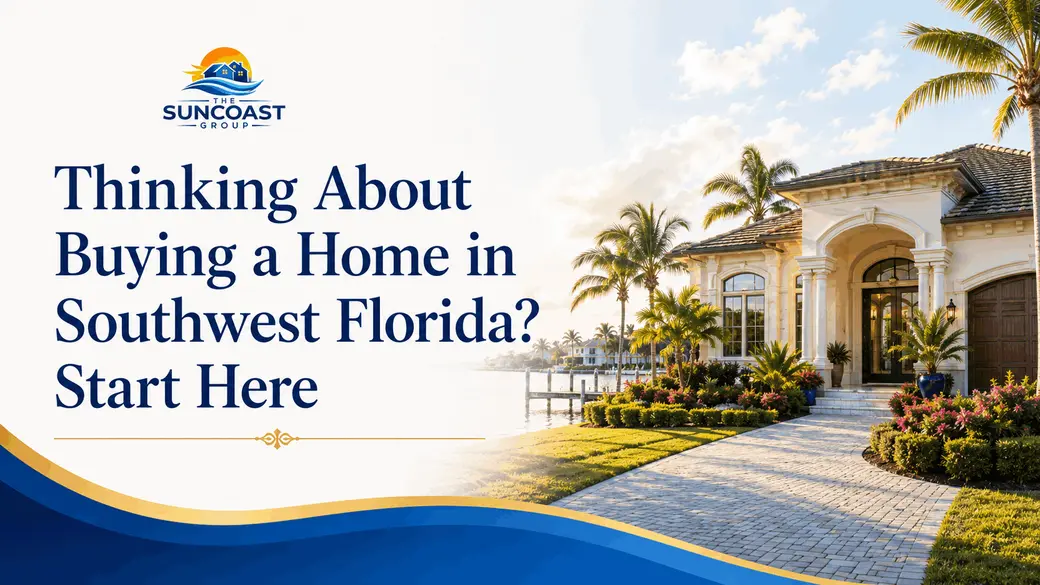
Thinking About Buying a Home in Southwest Florida? Start Here
Buying a home in Southwest Florida can be exciting, but it can also bring up a long list of questions.
Where should you buy?
How much home can you comfortably afford?
Should you focus on Englewood, Venice, Port Charlotte, Punta Gorda, Rotonda West, Placida, Sarasota, or another nearby community?
What should you know about flood zones, insurance, roof age, inspections, HOA fees, and closing costs?
Should you buy now or wait?
For many buyers, the process begins by scrolling through homes online. Finding listings is easy. The harder part is knowing how to evaluate each property and determine whether it truly fits your budget, lifestyle, timeline, and long-term plans.
Buying a home is not only about finding a property you like.
It is about finding a home that makes sense for your life.
Start With Why You Want to Buy
Before focusing on square footage, price, or the number of bedrooms, consider why you want to buy.
Are you:
-
Relocating to Southwest Florida?
-
Buying your first home?
-
Moving closer to family?
-
Downsizing into a lower-maintenance property?
-
Searching for a seasonal or second home?
-
Planning for retirement?
-
Moving from renting to owning?
-
Looking for more space, a pool, boating access, golf, beaches, or a quieter lifestyle?
Your reason for buying can shape nearly every part of the search.
A first-time buyer in Port Charlotte may need a different strategy from a retiree moving to Punta Gorda. Someone searching for a waterfront home in Englewood may have different concerns from a buyer looking for newer construction in Rotonda West.
The clearer you are about what you want the home to provide, the easier it becomes to avoid properties that look appealing online but do not fit your everyday life.
Know Your Comfortable Monthly Cost
One of the first questions buyers ask is:
How much home can I afford?
That is important, but there is a difference between the maximum amount you may be approved for and the amount you will feel comfortable paying each month.
The purchase price is only one part of the cost of owning a home in Southwest Florida.
Your budget may also need to include:
-
Mortgage principal and interest
-
Property taxes
-
Homeowners insurance
-
Flood insurance
-
HOA or condo fees
-
Utilities
-
Lawn care
-
Pool maintenance
-
Repairs and routine upkeep
-
Future roof, HVAC, or major system expenses
-
Closing costs
-
Moving expenses
A home may appear affordable based on its list price, but the full monthly cost can look very different once taxes, insurance, association fees, and maintenance are included.
This is especially important in Florida, where insurance, roof condition, flood risk, and association costs may significantly affect affordability.
Before becoming emotionally attached to a property, look at the complete cost of ownership rather than only the mortgage payment.
Choose the Lifestyle Before the House
Southwest Florida offers many different communities, property types, and lifestyles.
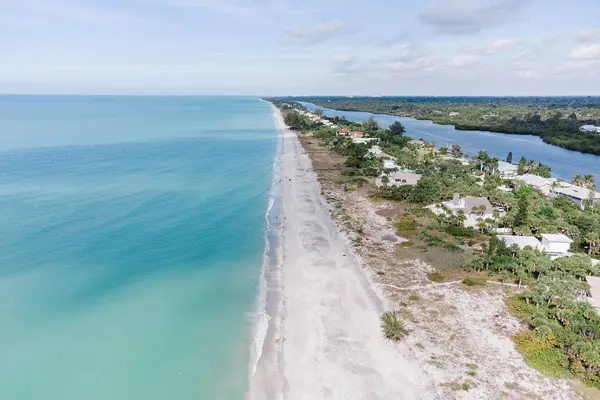
Englewood may appeal to buyers looking for a relaxed coastal atmosphere, beach access, boating, and a quieter pace.
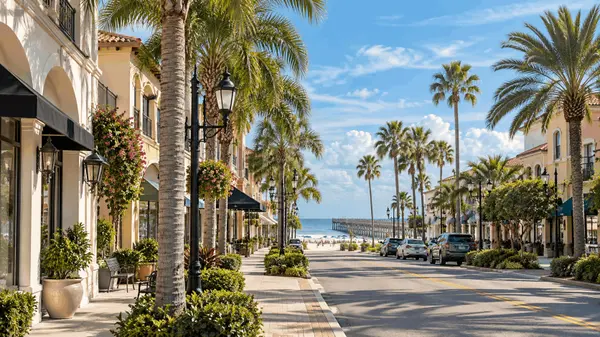
Venice offers beaches, parks, shopping, dining, community events, and a well-known downtown area.
Port Charlotte provides a broad mix of home styles, price ranges, canal properties, and everyday conveniences.
Punta Gorda may attract buyers interested in boating, waterfront communities, local events, historic character, and walkability in certain areas.
Rotonda West may appeal to buyers looking for golf, residential neighborhoods, newer homes, and more space.
Placida offers a quieter, coastal setting close to boating, natural areas, and barrier islands.
Sarasota provides beaches, arts, dining, cultural attractions, established neighborhoods, and a wide variety of property types.
When comparing areas, consider what matters most to your daily life:
-
Distance from the beach
-
Boating or water access
-
Lot size
-
Newer construction
-
Maintenance responsibilities
-
Walkability
-
Golf or community amenities
-
Access to family, medical care, schools, shopping, or restaurants
-
Quiet surroundings versus a more active environment
-
Commute times
-
HOA rules and fees
A good home search begins with the lifestyle you want to live, not only the features you want inside the house.
Understand Insurance and Flood Considerations Early
Insurance should be part of the property evaluation before you make an offer, not something you investigate after you are already committed to the home.
Important factors may include:
-
Roof age and condition
-
Wind-mitigation features
-
Hurricane shutters or impact protection
-
Flood zone
-
Property elevation
-
Previous storm or water damage
-
Age and condition of electrical, plumbing, and HVAC systems
-
Claims history when available
-
Property type
-
Proximity to water
-
HOA or condo insurance responsibilities
An older roof, outdated electrical system, previous water damage, or waterfront location does not automatically make a home a poor choice.
However, these factors can affect insurance availability, cost, financing, negotiations, and future maintenance.
Flood risk should also be reviewed carefully, especially for homes near canals, rivers, bays, beaches, and low-lying areas.
Before moving forward, buyers may want to understand:
-
The property’s flood zone
-
Whether a lender will require flood insurance
-
The estimated insurance cost
-
Whether the property has experienced flooding or water intrusion
-
Whether an elevation certificate is available
-
How the lot drains
-
What storm or flood disclosures are available
-
How flood considerations could affect future resale
Many buyers successfully own homes in flood zones because the location, water access, or lifestyle benefits are worth it to them.
The goal is not to avoid every property with additional considerations. It is to understand those considerations before making a financial commitment.
Decide Which Property Type Fits Your Life
The right property type depends on how much privacy, maintenance, space, and flexibility you want.
Single-Family Homes
A single-family home may offer more privacy, outdoor space, and control over the property. It may also require more responsibility for landscaping, exterior maintenance, roofing, and major repairs.
Condos
A condo may provide a lower-maintenance lifestyle, but buyers should review more than the monthly fee.
Important questions may include:
-
What does the fee cover?
-
How strong are the association’s reserves?
-
Are special assessments planned?
-
What are the rental and pet restrictions?
-
What insurance responsibilities belong to the owner?
-
What maintenance belongs to the association?
-
Are there age, parking, or occupancy restrictions?
Villas and Townhomes
Villas and townhomes may offer a balance between privacy and reduced exterior maintenance. Association responsibilities and fees can vary, so the governing documents should be reviewed carefully.
Waterfront Homes
Waterfront homes may offer boating access, views, and a unique lifestyle. They can also involve seawall condition, dock maintenance, flood insurance, elevation, canal access, bridge clearance, and additional exterior upkeep.
Pool Homes
A pool can add significant enjoyment, but buyers should budget for regular service, equipment repairs, resurfacing, heating, and screen-enclosure maintenance.
Newer and Older Homes
Newer homes may offer modern systems, updated construction standards, and lower immediate maintenance. Buyers should still evaluate builder quality, HOA restrictions, location, lot size, and future development.
Older homes may offer character, larger lots, mature neighborhoods, or desirable locations. Roof age, plumbing, electrical systems, windows, HVAC, and previous updates become especially important.
The home should not only match your search filters. It should support how you plan to live and what you are comfortable maintaining.
Look Beyond the Listing Photos
Professional photos can help you discover a home, but they cannot show the entire property.
Images may make rooms appear larger or brighter. They may not reveal road noise, nearby properties, awkward layouts, drainage concerns, moisture, deferred maintenance, or the condition of major systems.
When viewing a home, look beyond the furniture and décor.
Consider:
-
Does the floor plan work for everyday life?
-
Is there enough storage?
-
What are the ages of the roof and HVAC system?
-
Are there signs of moisture, staining, settlement, or deferred maintenance?
-
What is the condition of the windows, doors, flooring, plumbing, and electrical systems?
-
How close are neighboring homes?
-
Is there traffic or road noise?
-
Does the outdoor space fit your plans?
-
What may need to be repaired or replaced soon?
-
Could the home still meet your needs several years from now?
A visually impressive home is not always the best financial or practical choice.
A less updated property may be the stronger option when the location, layout, condition, and long-term costs make more sense.
Think About Inspections and Future Repairs
A home inspection can help you better understand the property’s current condition.
Depending on the home, additional evaluations may also be appropriate, such as:
-
Roof inspection
-
Wind-mitigation inspection
-
Four-point inspection
-
Pool inspection
-
Sewer or septic inspection
-
Mold or moisture evaluation
-
Seawall or dock inspection
-
Electrical or plumbing evaluation
-
HVAC inspection
An inspection is not simply a list of imperfections.
Its purpose is to help you understand the difference between routine maintenance, minor repairs, aging systems, and more serious concerns.
No home is perfect. The important question is whether the condition, expected repairs, and future costs fit your budget and comfort level.
Consider Resale Before You Buy
Even when you expect to remain in the home for many years, resale should still be part of the decision.
Life changes. Family needs, health, employment, finances, and long-term plans can all shift.
Before purchasing, consider:
-
Is the location broadly appealing?
-
Is the layout functional?
-
Are there major condition concerns?
-
Could insurance or flood issues reduce the future buyer pool?
-
Are there unusual features that may make resale more difficult?
-
Are the HOA or condo fees reasonable for the area?
-
Could rental restrictions limit future flexibility?
-
Does the property offer features local buyers commonly value?
-
Is the home priced appropriately compared with similar properties?
You do not need to choose a home based only on resale potential.
However, understanding how today’s decision may affect your future options can help you make a more informed purchase.
Know What Happens After You Find a Home
Finding the property is only one part of the buying process.
When you are ready to submit an offer, several terms may need to be considered:
-
Offer price
-
Escrow deposit
-
Financing terms
-
Inspection period
-
Appraisal contingency
-
Closing date
-
Seller credits
-
Repair requests
-
Included appliances and fixtures
-
HOA or condo document review
-
Flood and property disclosures
-
Insurance availability
-
Title review
-
Survey requirements
After the offer is accepted, buyers must also keep track of deadlines involving inspections, financing, appraisal, insurance, title, association documents, the final walkthrough, and closing.
The strongest offer is not always the one with the highest price.
The structure, contingencies, timeline, financing, and seller priorities can all influence how competitive an offer may be.
A good buying strategy should protect your interests while also presenting terms that make sense for the property and current market conditions.
Should You Buy Now or Wait?
Many buyers try to determine the perfect time to enter the market.
There is no answer that works for everyone.
Waiting may make sense when you need more time to save money, improve your financing, learn the area, or clarify your long-term plans.
Buying may make sense when you find a home that fits your lifestyle, the total payment is comfortable, and you expect the property to serve your needs for an appropriate amount of time.
Instead of only asking:
Is this the perfect market?
Consider asking:
Is this the right home, in the right location, with a payment and long-term plan I can comfortably manage?
No buyer can control future home prices or mortgage rates with certainty.
You can, however, make a careful decision based on your current finances, lifestyle, timeline, and the quality of the property itself.
Why Local Guidance Matters
Buying in Southwest Florida can be different from purchasing a home in another state or region.
A property’s location may affect:
-
Insurance
-
Flood considerations
-
Storm preparation
-
Maintenance
-
Boating access
-
Beach access
-
HOA or condo obligations
-
Rental rules
-
Resale potential
-
Everyday lifestyle
Two similar-looking homes may be priced differently because of roof age, flood zone, water access, association responsibilities, condition, location, or insurance-related factors.
At The Suncoast Group, our role goes beyond sending property listings.
We help buyers compare communities, evaluate homes, understand local concerns, prepare offers, review important terms, manage deadlines, and navigate the process from the initial search through closing.
The home-buying process should feel organized, informed, and built around your priorities.
What to Do Before You Begin Your Search
Before spending hours scrolling through listings, answer a few important questions:
-
Why am I buying?
Am I relocating, downsizing, purchasing my first home, planning for retirement, or looking for a second home? -
What monthly cost feels comfortable?
Consider the mortgage, taxes, insurance, flood coverage, HOA fees, utilities, and maintenance. -
Which lifestyle and location fit me best?
Think about beaches, boating, golf, shopping, medical care, schools, walkability, privacy, and commute times. -
Which features are essential?
Separate true must-haves from preferences that may be flexible. -
What property risks am I comfortable accepting?
Consider flood zones, older systems, renovation needs, HOA rules, and maintenance responsibilities. -
How soon do I want to move?
Your timeline may affect financing, offer strategy, and the type of home you should consider. -
What would make me walk away?
Knowing your limits can help prevent emotional decisions.
The clearer you are before the search begins, the easier it becomes to recognize the right opportunity.
Frequently Asked Questions About Buying a Home in Southwest Florida
What should I know before buying a home in Southwest Florida?
Look beyond the purchase price. Insurance, flood zone, roof age, property taxes, HOA or condo fees, inspections, maintenance, location, and resale potential can all affect whether a home is the right fit.
Which Southwest Florida areas should I consider?
Popular areas include Englewood, Venice, Port Charlotte, Punta Gorda, Rotonda West, Placida, Sarasota, and nearby communities. Each offers a different mix of lifestyle, pricing, property types, water access, amenities, and maintenance considerations.
Should I get pre-approved before looking at homes?
Yes. A pre-approval can help you understand your price range, estimate a realistic monthly payment, and prepare a stronger offer when you find the right property.
Do I need flood insurance in Southwest Florida?
It depends on the property’s flood zone, lender requirements, and your personal risk tolerance. Some financed properties require flood insurance. Other buyers choose to carry it even when it is not required.
Why is roof age important when buying a Florida home?
Roof age and condition may affect insurance, inspections, financing, negotiations, and future repair planning. Buyers should review the roof material, installation date, condition, permits, and available documentation.
What should I review before buying a condo?
Review the association fees, reserves, financial condition, rules, rental restrictions, pet policies, insurance responsibilities, planned assessments, and recent meeting records.
What happens after my offer is accepted?
The process may include escrow deadlines, inspections, financing approval, appraisal, title review, insurance quotes, association document review, repair negotiations, the final walkthrough, and closing.
Should I buy now or wait?
The decision depends on your finances, timeline, lifestyle, and the homes available in your target area. Focus on whether the property, full monthly cost, location, and long-term plan make sense for you.
Thinking About Buying in Southwest Florida?
You do not need to have every detail figured out before asking questions.
Whether you are relocating, buying your first home, moving closer to family, searching for a second home, planning for retirement, or simply exploring your options, the first step is understanding the complete picture.
At The Suncoast Group, we help buyers evaluate more than listing photos.
We look at location, lifestyle, affordability, property condition, insurance, flood considerations, offer strategy, deadlines, and what needs to happen next.
Buying a home is a major decision.
You deserve guidance that helps you feel informed, prepared, and confident from the first search through closing.
Categories
Recent Posts





"Molly's job is to find and attract mastery-based agents to the office, protect the culture, and make sure everyone is happy! "
GET MORE INFORMATION